From Strategy to Impact
Actually implementing a strategic plan is challenging. There is often a gap between strategy and impact: ambitions remain unfulfilled, initiatives fail to align, and the impact on organizational goals remains invisible. How do you maintain control over the execution of your strategy and help your organization actually achieve its goals?
Clear communication about strategic direction
Effective leadership begins with clear communication and the establishment of strategic goals. Not just in a one-time document, but as part of day-to-day operations. When you clearly define your organizational goals and document them in a central location, it leads to
Strategy execution is an ongoing process
Many organizations have clearly defined their strategic goals, but lack the system to truly translate those goals into day-to-day actions. This is mainly because strategic management is not a one-time activity. It is precisely by providing feedback from day-to-day operations on what they mean for achieving the strategic goals that you can make adjustments at an early stage. This prevents portfolio decisions from being made based solely on events within individual projects.
System Integration
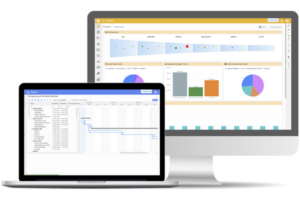
Data is gold. That’s certainly true when it comes to the management information that guides your strategy. That’s why you need to ensure your systems are integrated. Information from day-to-day operations should flow seamlessly into your business intelligence system. You want to rely as little as possible on manual administrative tasks for this. Not only is that more efficient, but it also reduces the risk of inaccurate or late information. Ideally, you’ll have a single, automatically populated, real-time, and comprehensive dashboard that displays all your OKRs.
Providing Insight into Scenarios
Scenario planning allows you to better anticipate changing circumstances and support your decisions. You can achieve more by assessing the impact of your decisions in advance. However, the level of detail in those scenarios must align with the time horizon you’re planning for; otherwise, you’ll waste valuable time and energy. By sketching out broad scenarios for the long term, you can identify risks—for example, regarding critical resources—that can no longer be addressed in the short term.
Discover Fortes Change Cloud